
High-Growth Startup Team Strategies in the age of Artificial Intelligence
A key characteristic of a successful startup is its capacity for rapid growth. High-growth companies, often referred to as “fastest growing,” are defined by both scholars and practitioners as enterprises with at least 10 employees that achieve at least a 20% increase in annual sales or employment over three years.
Similarly, scaled-up firms have been defined in the literature as high-growth enterprises that expand through an intermediate developmental stage, with a primary emphasis on economies of scale. In other words, high-growth firms, such as startups, are often envied by other market participants who are lagging behind and attempting to catch up.
To understand and explain the drivers of these high-growth firms, numerous theories, assumptions, assertions, and speculations have been proposed to account for why these firms grow faster than similar firms within and across industries, including technological innovation, fundraising capabilities, and startup clusters in which these firms operate, among other factors.
However, the problem with many of these perspectives is that only a handful can substantiate their claims with evidence. In other words, does the number of employees with overseas experience affect growth? Or stated differently, do high-growth firms have more employees with overseas experience than others?
High Growth and Entrepreneurial Communities Involvement
In the highly competitive and resource-constrained environment of startups, what differentiates high-growth startups from their average counterparts? In essence, which activities are more frequently undertaken by the fastest-growing participants than others?
As with other forms of professional development beyond routine office tasks, success in a startup competition demands more than merely accelerating code development via vibe coding or rectifying issues through debugging.
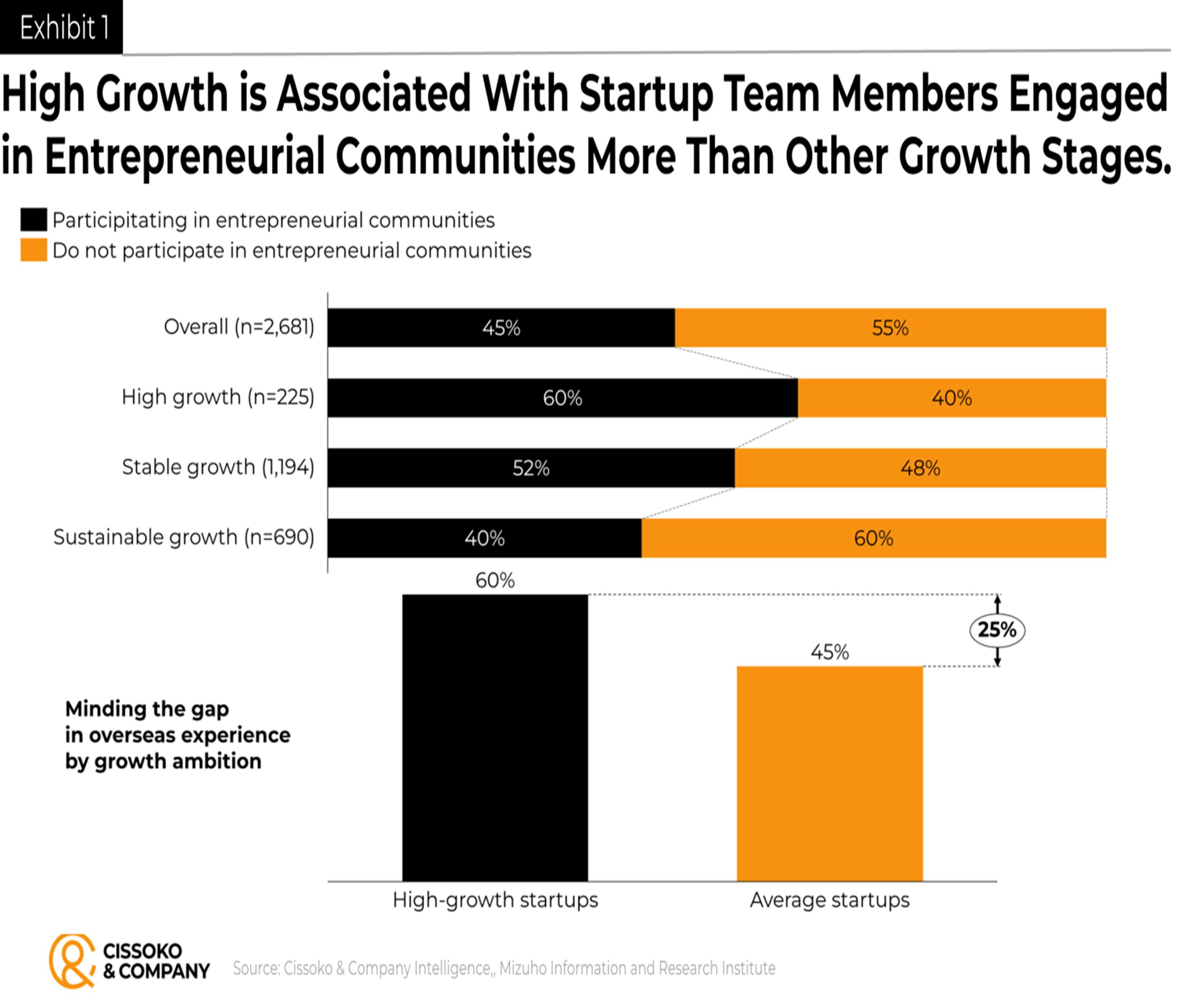
Indeed, our analysis reveals that greater engagement with the entrepreneurial community is associated with higher growth. When we analyzed firms across the growth lifecycle stages, we found that founders and, to some extent, team members of high-growth startups were, on average, 15% more engaged in entrepreneurial communities in nearby locations and in other far-flung areas of the global economy than the average player.
Why are Founders (Entrepreneurs) Involved in These Entrepreneurial Communities?
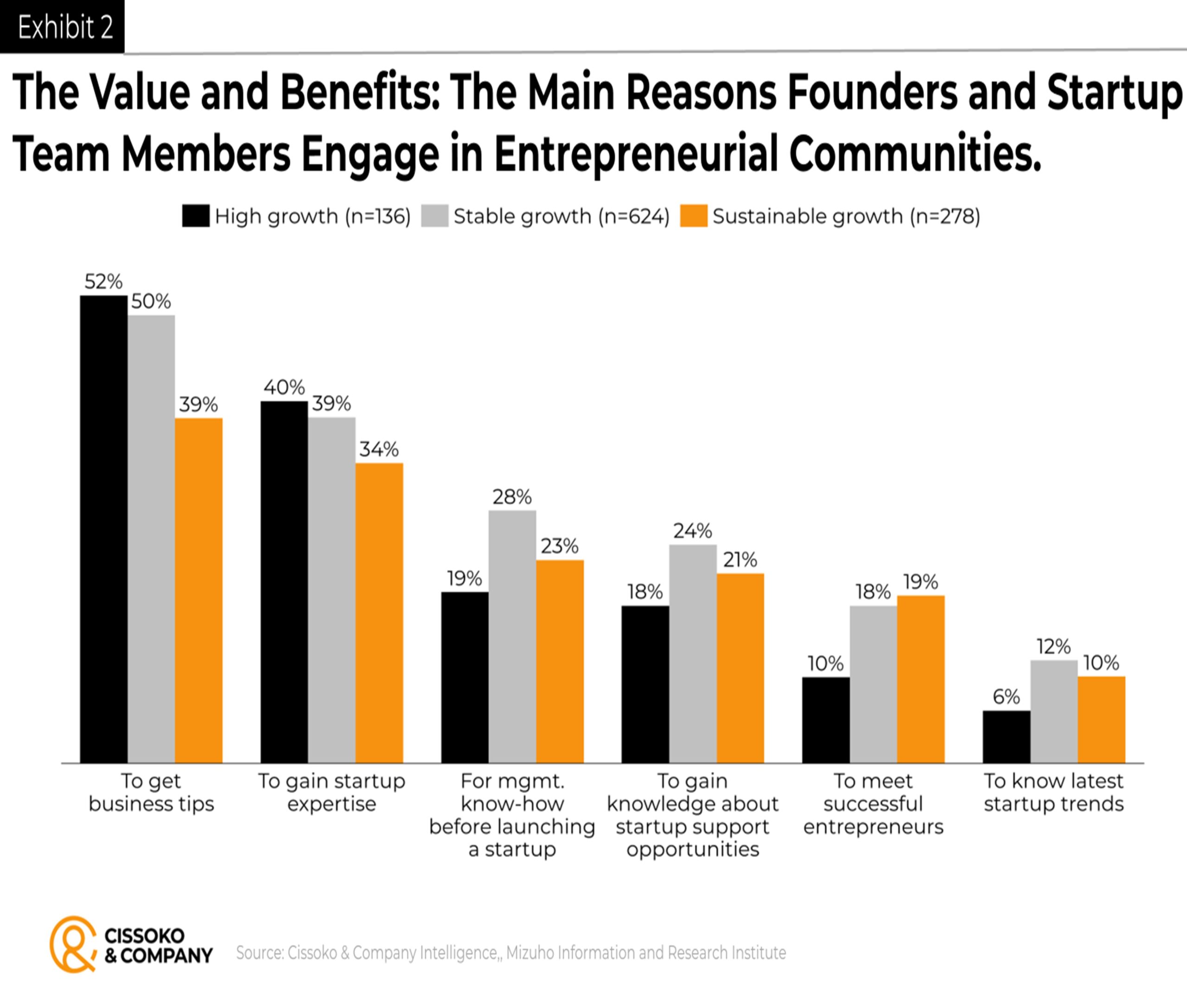
Our analysis reveals that six reasons stand out, including getting some startup tips, gaining expertise, management know-how before launching their own, knowledge about startup support opportunities, networking (meeting) successful entrepreneurs, and being ahead of the latest startup trends.
Why do Founders (Entrepreneurs) not get Involved in These Entrepreneurial Communities?
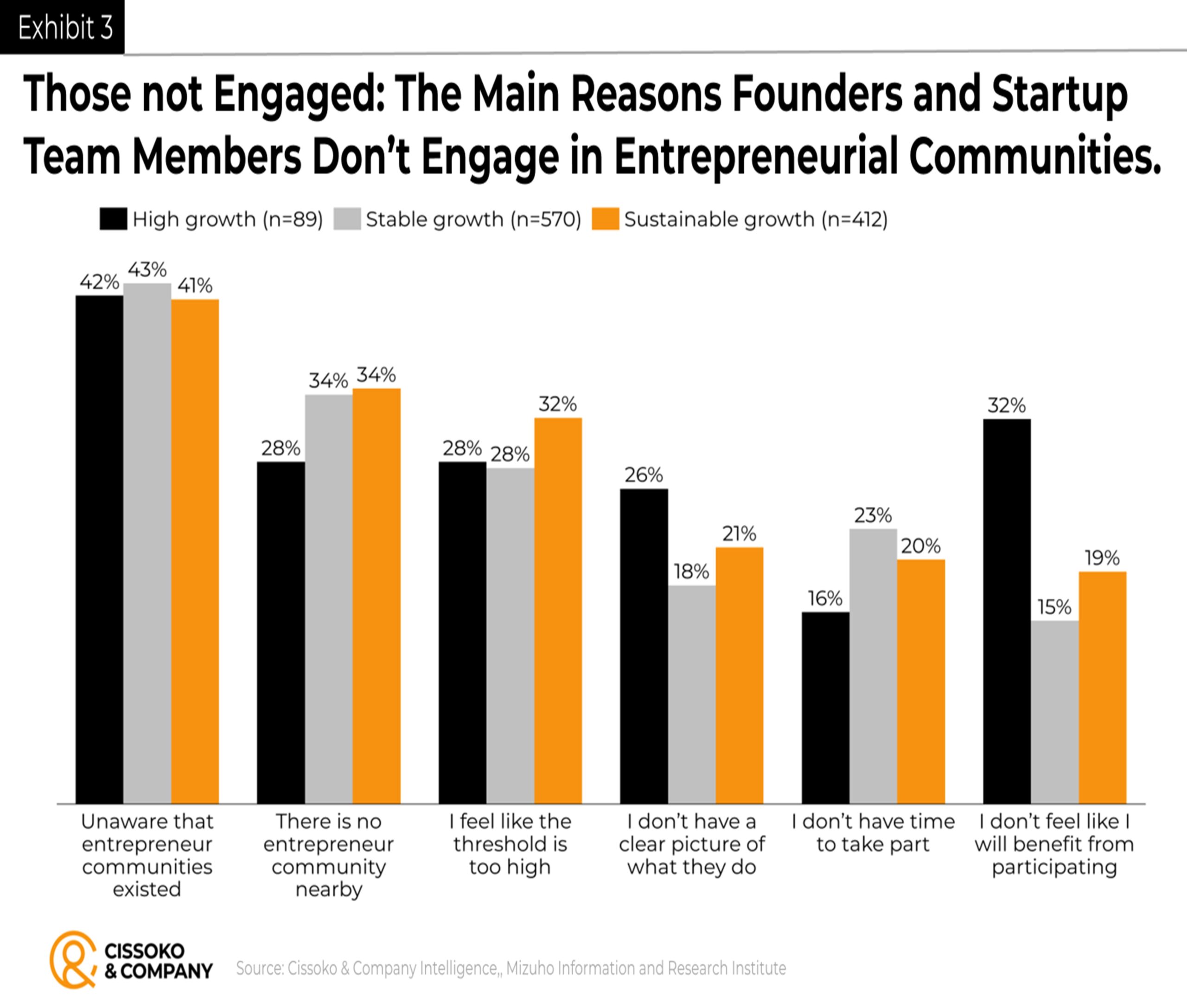
Further analysis indicates that, among other factors, unawareness of the existence of startup communities, the absence of a nearby entrepreneurial community, the perception that joining a community is too demanding, limited knowledge of the inner workings of entrepreneurial communities, limited time, and the belief that the efforts are not worthwhile.
Does Overseas Experience of Startup Team Members Matter?
Indeed, international experience can be acquired and utilized in various ways, such as by becoming a returnee entrepreneur. In this role, the aspiring entrepreneur leverages overseas experience, including cultural intelligence, transferable skills and competencies, and language proficiency, to establish a new enterprise upon returning to their home country. For instance, in India, China, and Taiwan, numerous startups have been founded in recent years by returnee entrepreneurs.
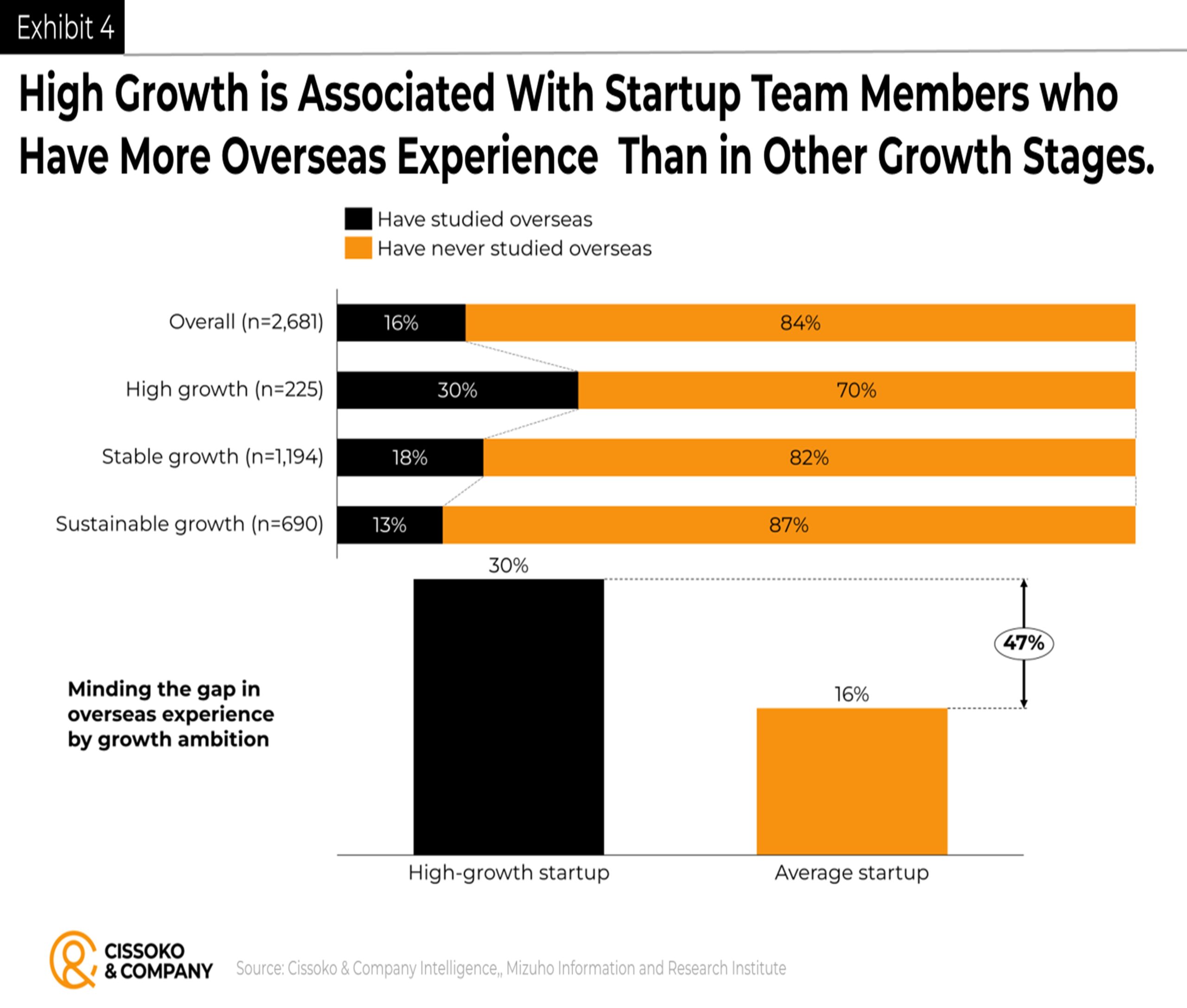
Consider this: In 2015 alone, India saw the establishment of over 4,100 enterprises by entrepreneurs, as reported by the Wall Street Journal. However, this analysis focuses on individuals who studied abroad and, upon returning to Japan, became employees in entrepreneurial ventures rather than owners to assess the impact of their overseas experiences on the growth of the firms they joined.
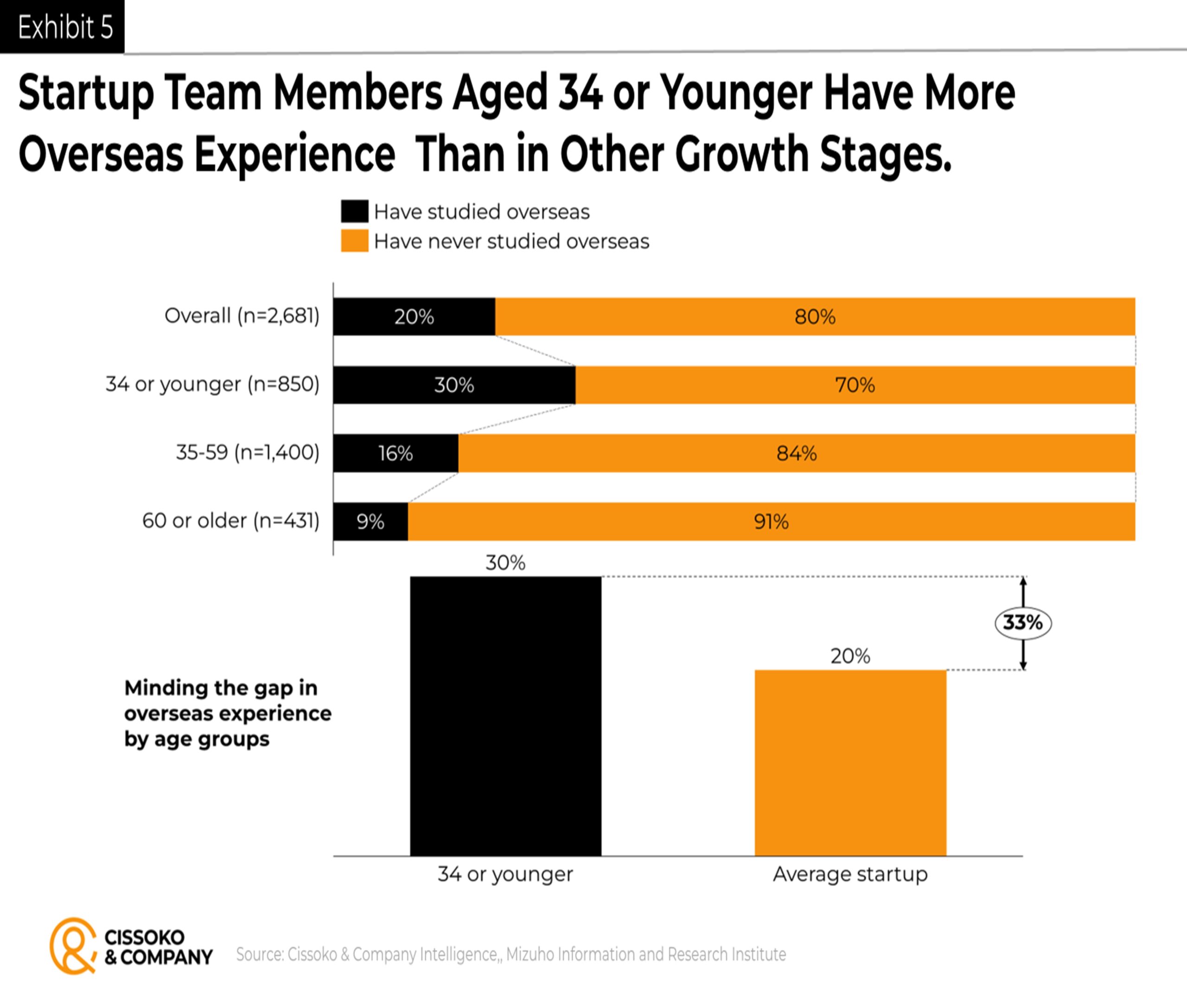
Indeed, becoming a business founder or an entrepreneur is not as easy as many still think. As with traditional or legacy businesses, success requires consistent effort and persistence to survive intense competition, let alone to succeed.
Moreover, if this analysis suggests anything, it is that winning a startup competition requires more than coding or a ChatGPT prompt. It calls for going into hell for a winning cause. In other words, striving to improve by thinking differently is a valid pursuit.
Get in Touch
We will respond to your message as soon as possible.
Insights to Win
Subscribe to our newsletter for in-depth analysis, reports, and our perspectives on business and economic issues related to the Japanese market and the global economy.