
Japan’s Talent Crisis in the age of Agentic AI: The Definitive Smoking Gun — Special Report
The Japanese economy is confronting a hidden talent crisis that threatens to diminish productivity in the era of artificial intelligence. A confluence of factors accounts for the difficulties companies across sectors face, including an aging workforce, a shortage of digital talent, and challenges related to talent acquisition and retention.
These issues are further exacerbated by mental health concerns, suicides, long working hours, and fear of using entitlements, such as childcare and parental leave, predominantly affecting men across the private sector.
Moreover, companies need to boost corporate productivity while accounting for the caregiving burden associated with the so-called “double duty” and “double care” of employees who work while managing childcare and elderly parents. Combined, these factors create a severe yet hidden talent crisis across the board.
Why do Talented People Tell Their Employers Sayonara (Goodbye)?
Over the past decades, numerous studies and practitioner observations have sought to elucidate the reasons for employee resignations. Nevertheless, these studies are problematic due to significant limitations in sample size, stemming from the inability to obtain a comprehensive, truly representative sample of the population.
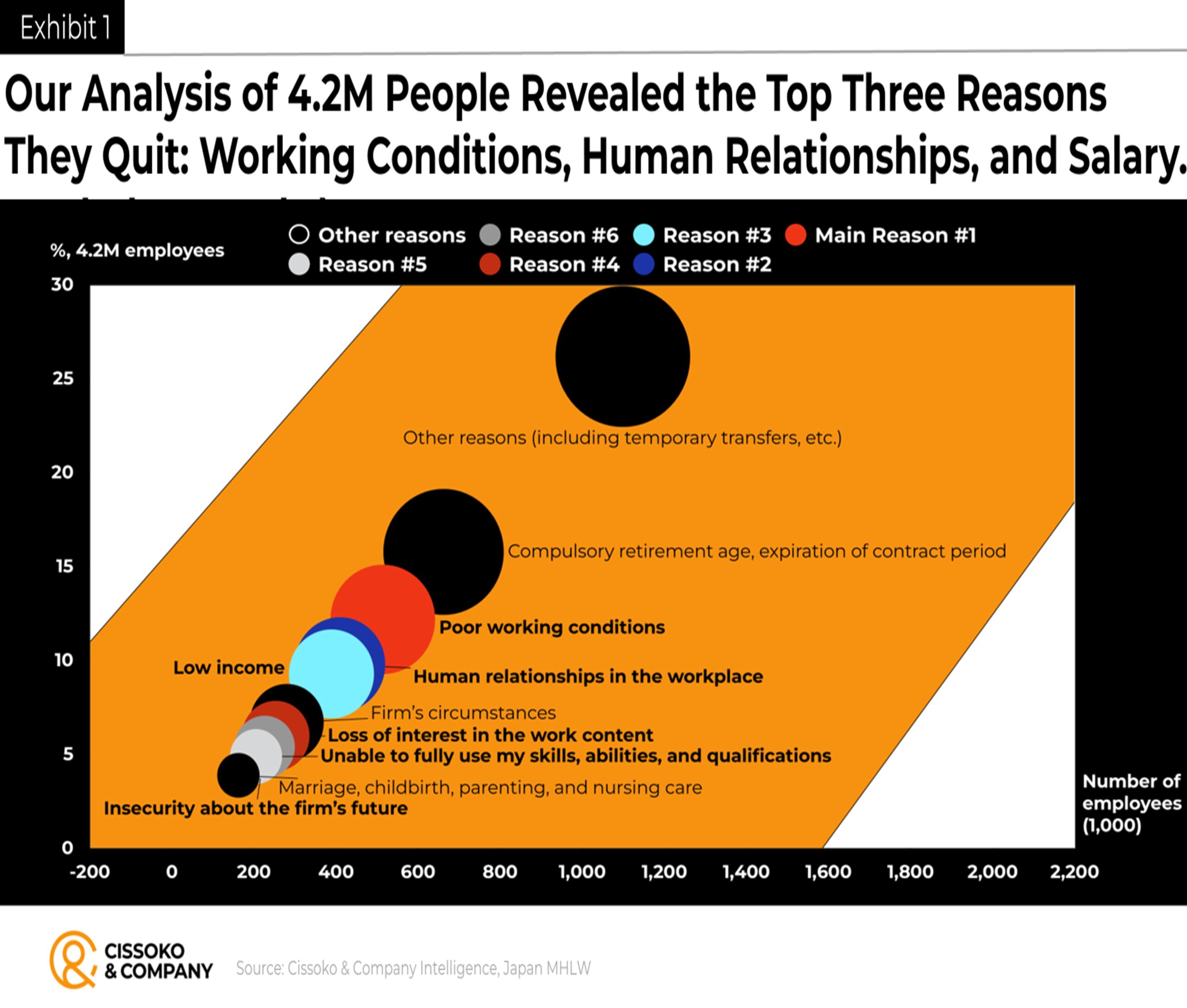
We are fortunate to analyze data from 4.2 million Japanese employees who resigned, as reported by authorities. The main reasons for quitting include poor working conditions, strained employee relationships, income (compensation and benefits), loss of interest in the work content, inability to fully utilize skills and qualifications, and concerns about the company’s prospects, especially given the disruptive, rapidly changing global economy in recent years.
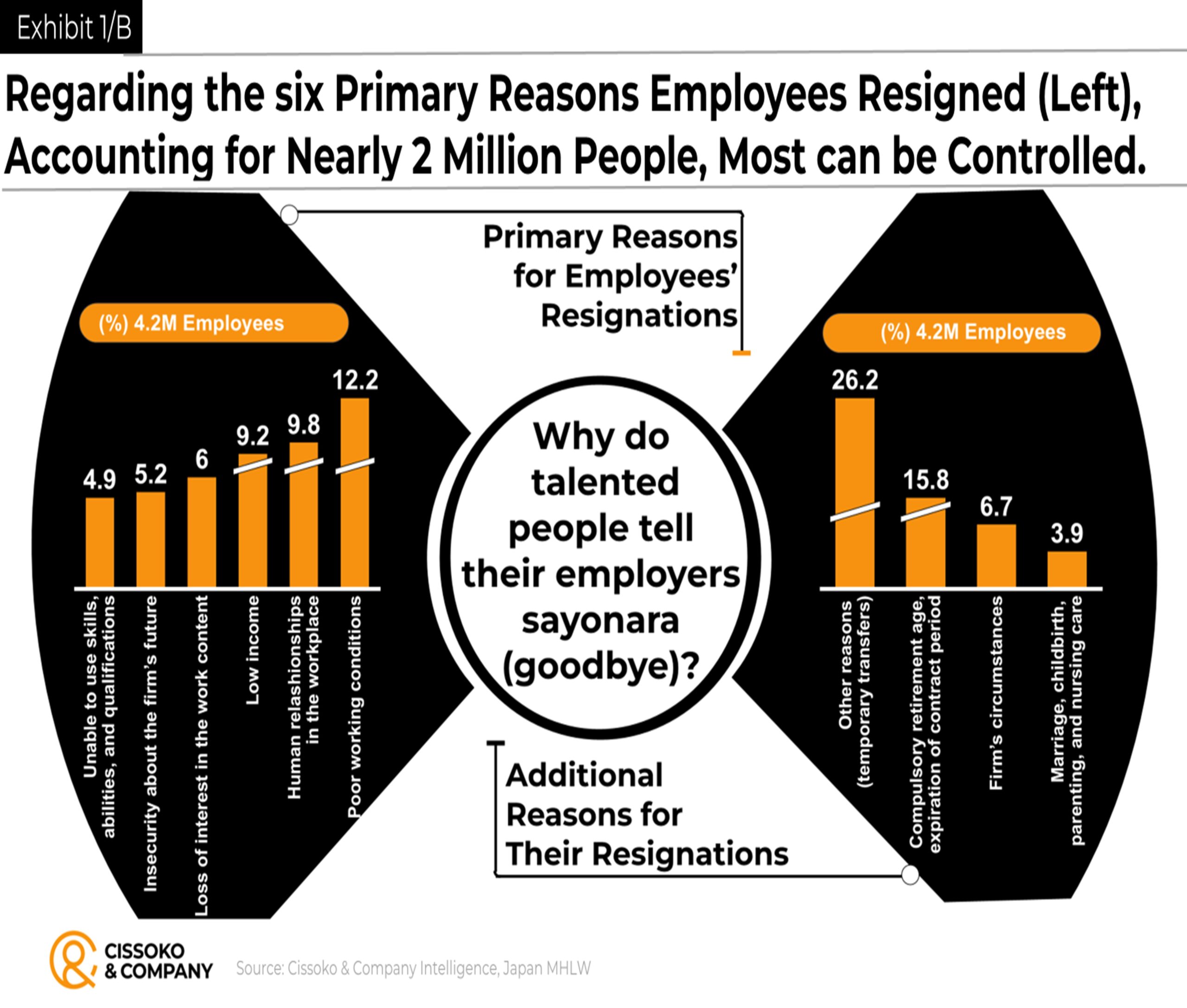
Indeed, six reasons have been identified for the rising number of employees resigning in Japan in recent years, and the good news is that most of them, if not all, can be managed by business leaders. Therefore, by improving these aspects of their human resources management, they will increase the chances of retaining employees in the age of agentic AI.
Drivers Reshaping Japan’s Talent Landscape
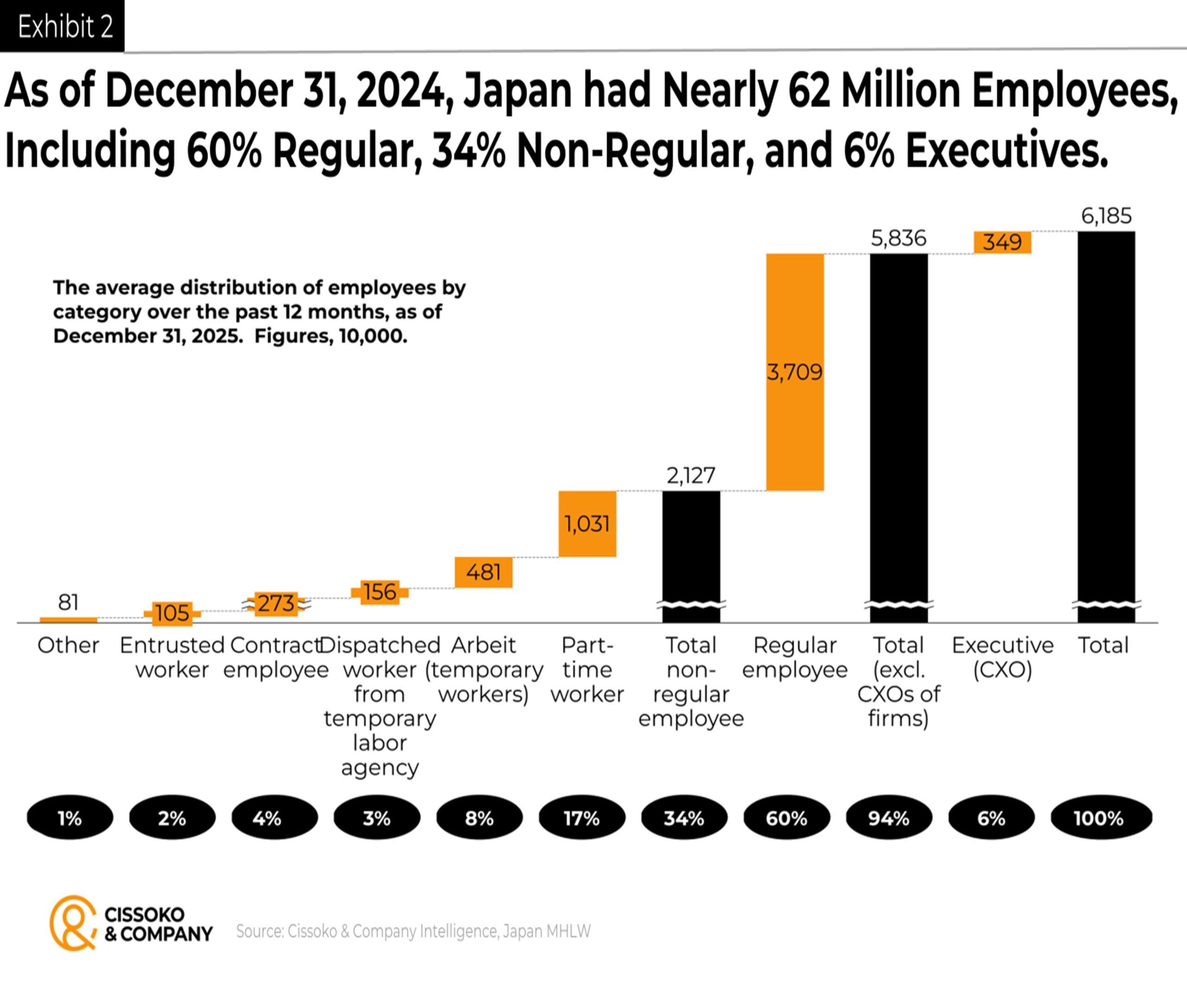
As of December 31, 2025, the number of employees nationwide was nearly 61.8 million, with regular employees accounting for about 37 million (60%), non-regular employees accounting for 21.2 million (37%), and executives accounting for the remaining 3.4 million (6%). Beneath these impressive figures lies a hidden crisis.
Consider this: in the age of artificial intelligence, where highly trained employees, such as researchers (PhD-level experts), are urgently needed, the number of researchers has been declining over the past decades in the technology sector, largely unnoticed.
That is, over the period 2011-22, Japan’s enterprise-level PhD researchers grew by 8% to 910,393. However, in the technology sector, the number of researchers decreased by 27% to about 145,662 (or 16% of the total in 2022).
It is widely recognized that the Japanese population is experiencing a significant and rapid demographic shift characterized by aging and population decline, with considerable consequences for productivity and the nation’s economic competitiveness.
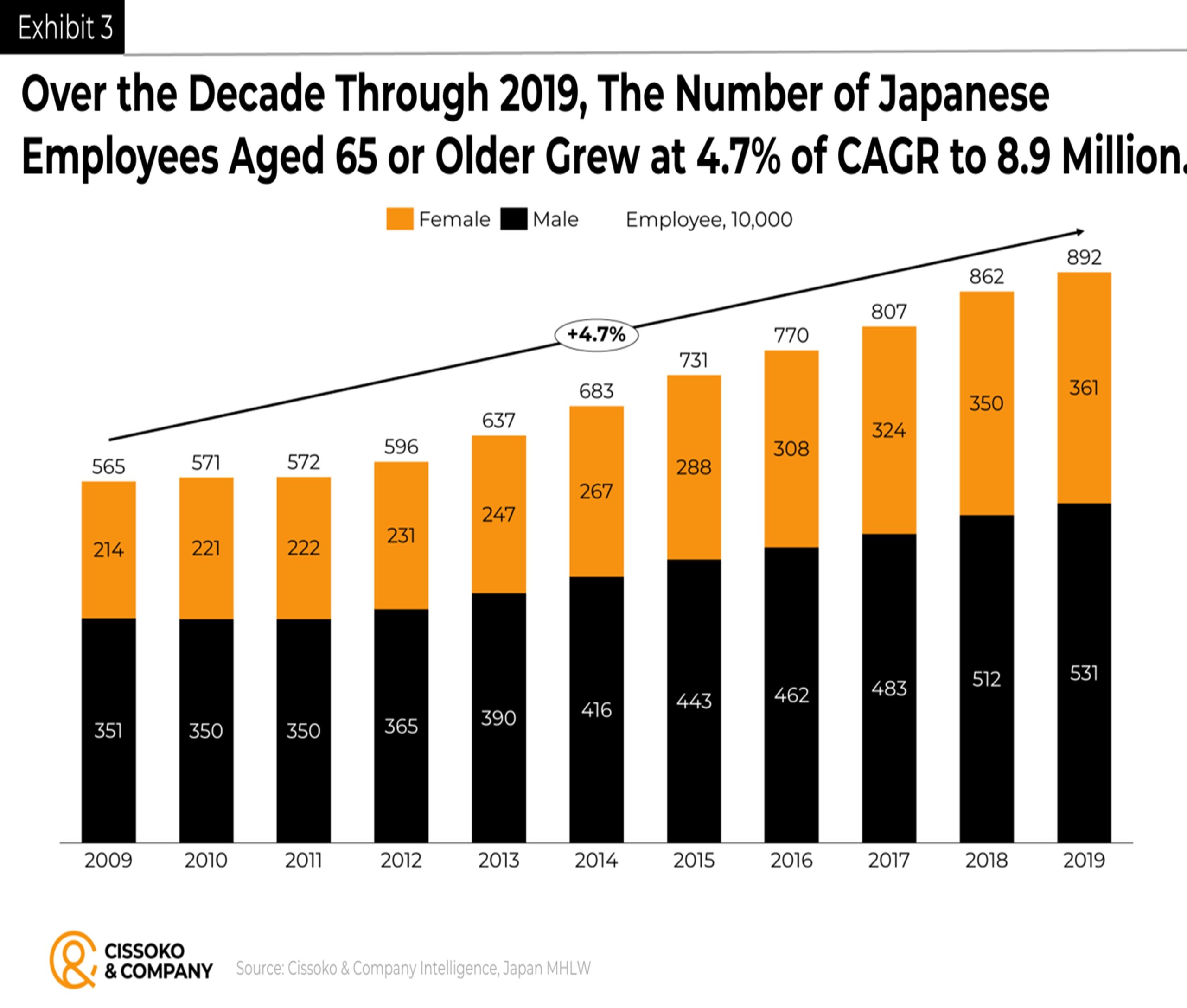
These demographic trends are clearly reflected in the composition of the Japanese workforce. Specifically, between 2011 and 19, the number of employees aged 65 and above grew at a compounded annual growth rate (CAGR) of 4.7%, reaching 8.9 million in 2019.
Digital talent: From Shortage to Crisis in the age of Agentic AI
Amid the brutal competition in technology and innovation, the critical value of digital talent can’t be overstated. Indeed, the stories and headlines about Facebook and other tech giants offering hundreds of millions of dollars in compensation packages to poach top AI talent have become commonplace. For one thing, building a world-class AI product that can keep pace with the likes of ChatGPT and Anthropic is no small feat, whether it is built in a closed or open-source language or code.
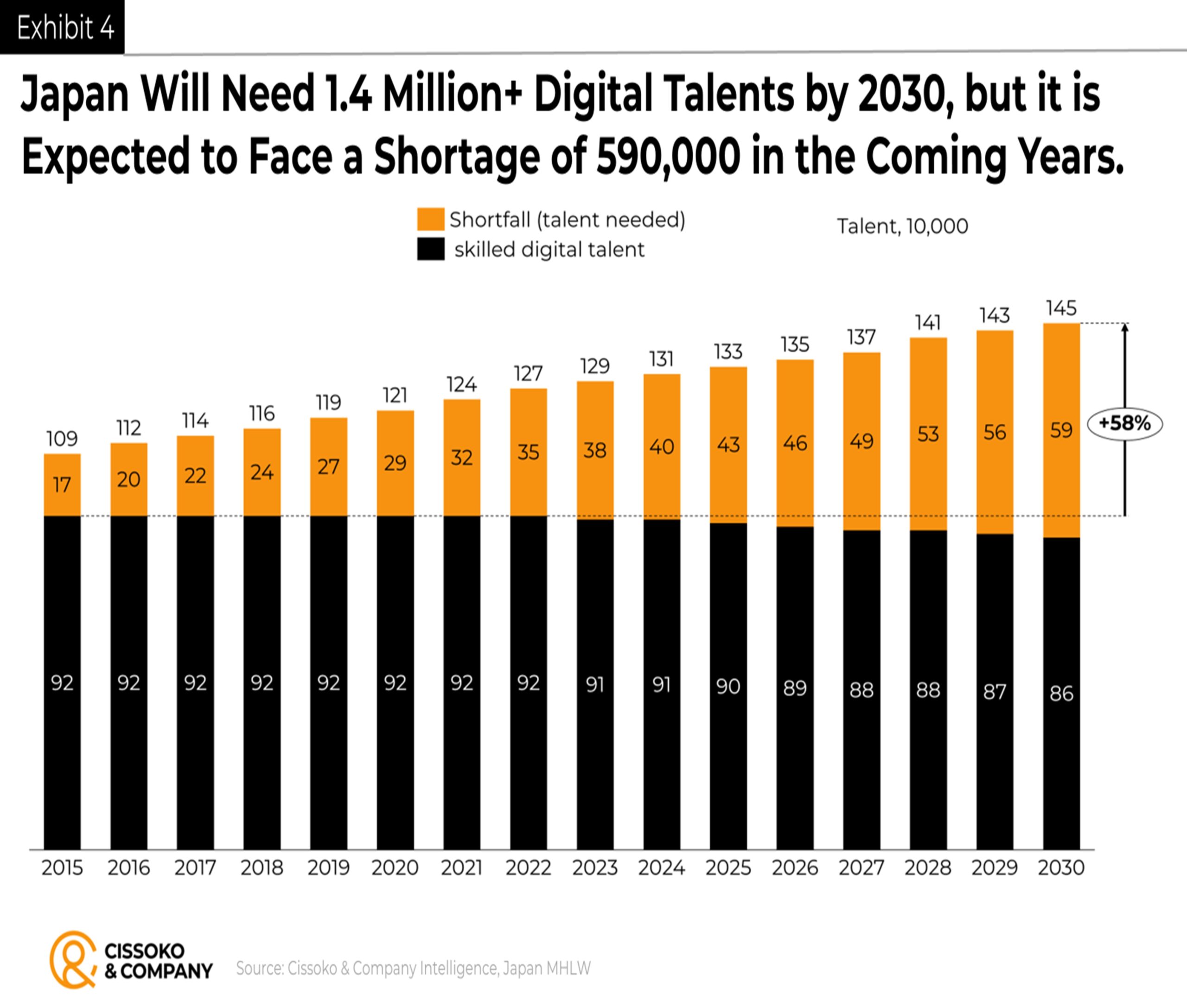
In this environment, Japan needs to craft a digital talent strategy that attracts the best and brightest from around the world by offering competitive pay, an entrepreneurial culture, and incentives comparable to those of competing nations.
For one thing, from next few years, we anticipate that Japan’s digital talent shortage in AI, GenAI, agentic AI, cybersecurity, and data science, among others, will cross the threshold from a shortage to a digital talent crisis if left unaddressed, given the projected shortage of the desperately needed digital caliber, which will increase by 58% from 2015 levels.
Indeed, Japan’s projected gap between its industries’ digital talent needs (1.45 million) and the anticipated shortage of 590,000 by 2030 is too large, underscoring the need for foresight in talent strategies before it is too late.
Career Preference Trends: From one Company to Multiple Companies
Furthermore, lifetime employment has become a thing of the past due to a profound demographic shift driven by Millennials and Generation Z, as well as the decline in the number of corporate giants adapting to the era of artificial intelligence.
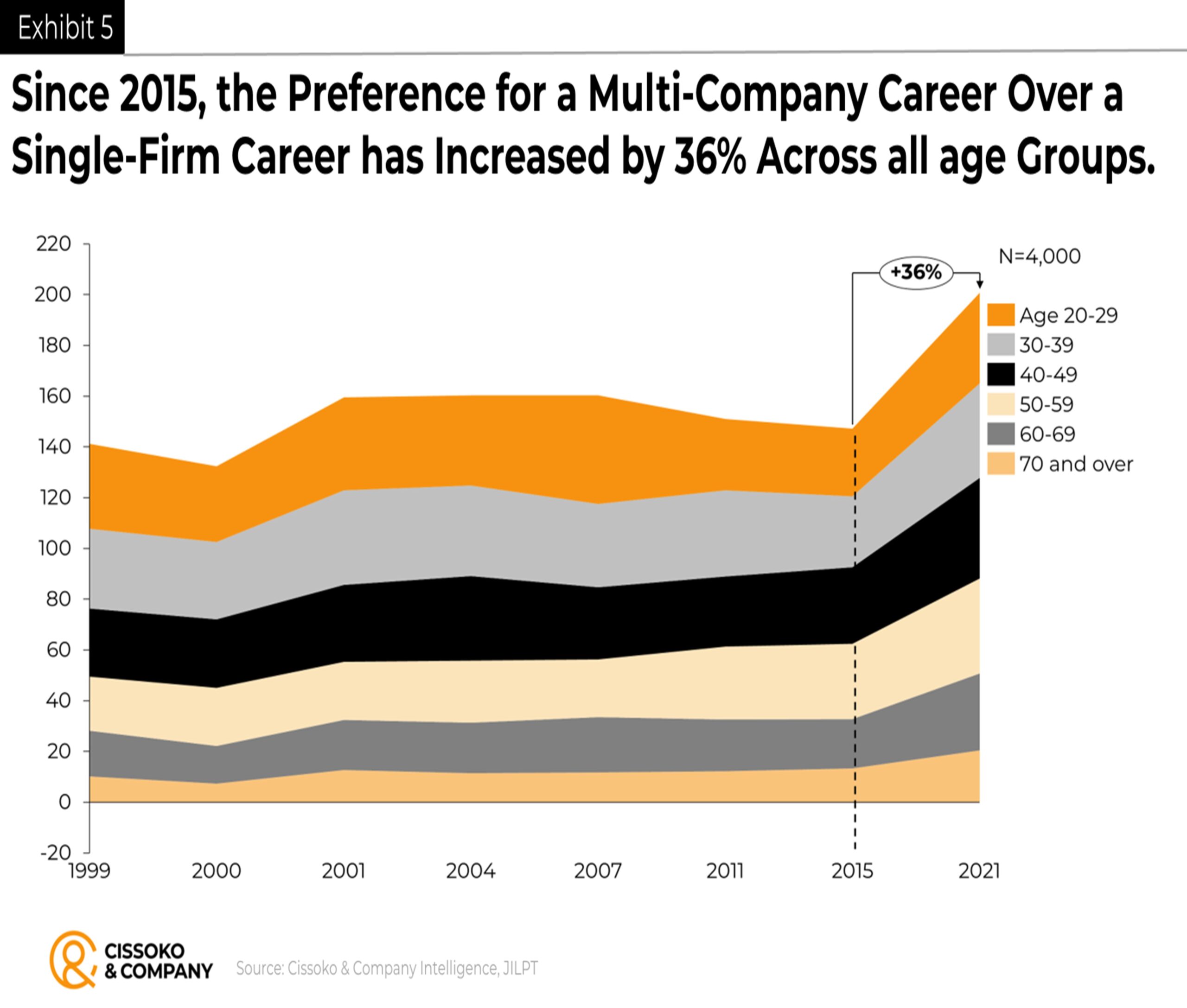
The underlying trends reveal this transformation vividly. From 2015 to 2021, the proportion of Japanese individuals across all age groups favoring careers across multiple companies increased by 36% compared to previous years.
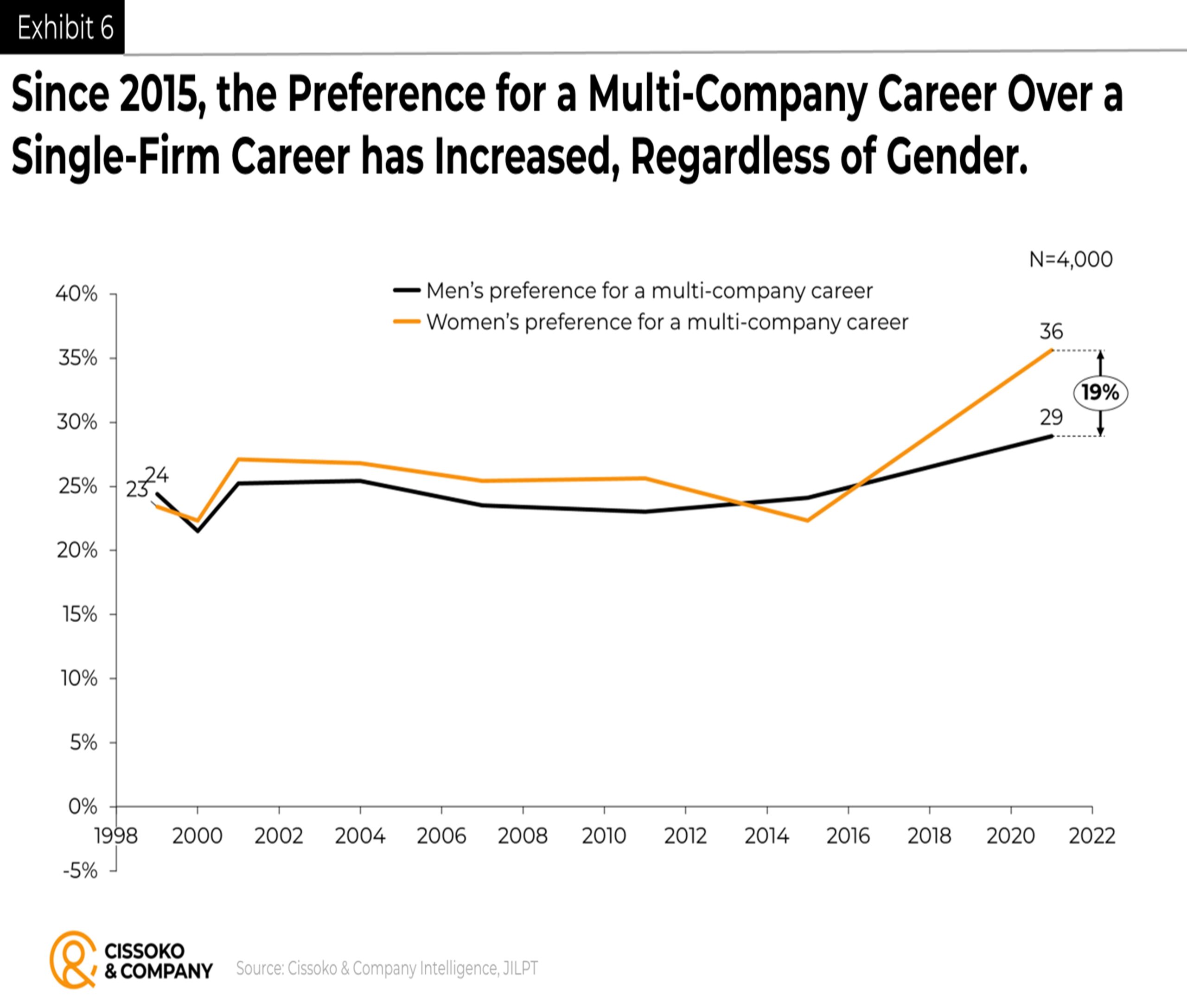
Additionally, gender-related shifts present a similar narrative. The preference among men for careers spanning various firms rose from 24% in 1999 to 29% in 2021, while among women nationwide, the transition from single-company careers to multi-firm careers was more pronounced, increasing from 23% in 1999 to 36% in 2021, thereby expanding the gender disparity by seven percentage points. Consequently, these underlying trends suggest a disruption in human capital, indicative of a silent crisis in talent retention.
Japan’s Talent Retention Crisis in the age of Artificial Intelligence
Given employees’ career preferences and the numerous visible and invisible changes in Japan and beyond, organizations of all sizes are facing significant challenges in human resources management, especially regarding employee retention, with the service sector at the forefront.
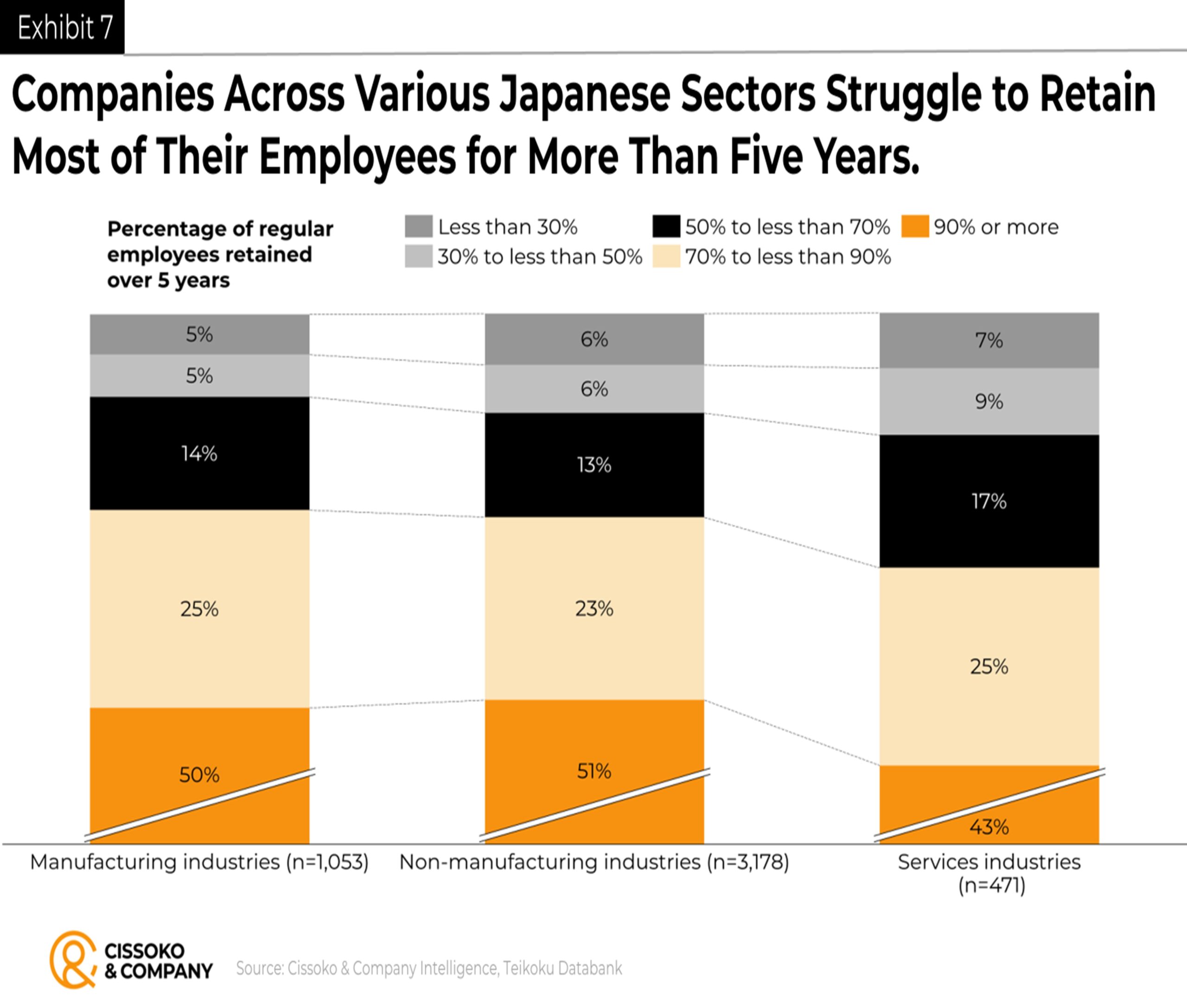
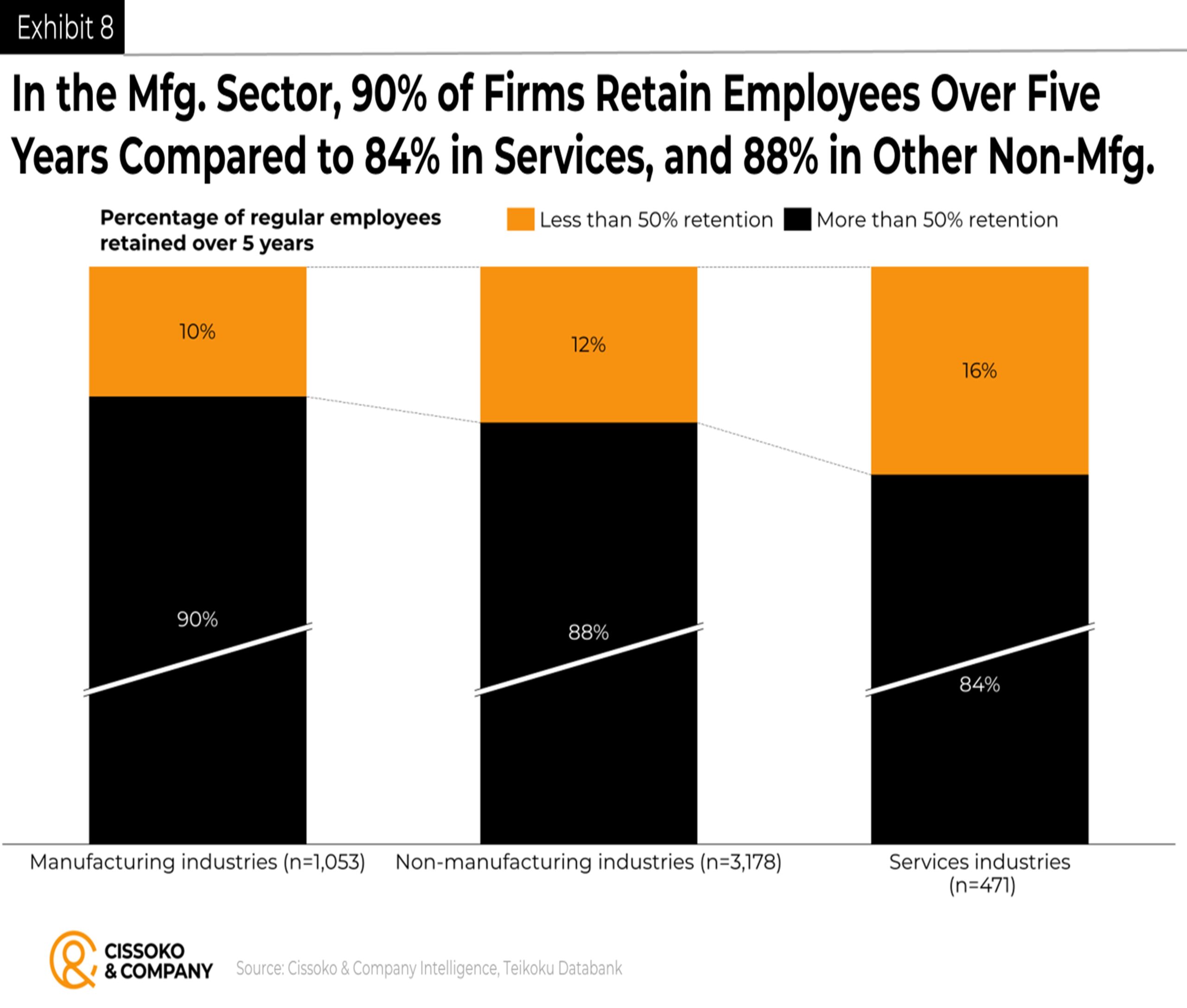
Specifically, regarding the retention of skilled personnel for at least five years, the service industry’s retention rate was 84%, compared to 88% across non-manufacturing sectors and 90% within manufacturing.
The talent retention challenges have weakened the pride of many firms that used to boast about the experience of their workforce in many role-specific areas across corporate functions that are hard to replicate overnight, given that those skills and abilities take decades to hone.
Hiring new people externally with similar experience has a drawback. For one thing, external hires may take years to adapt to a new corporate culture, and talented people who perform well in one culture may fail dramatically in another.
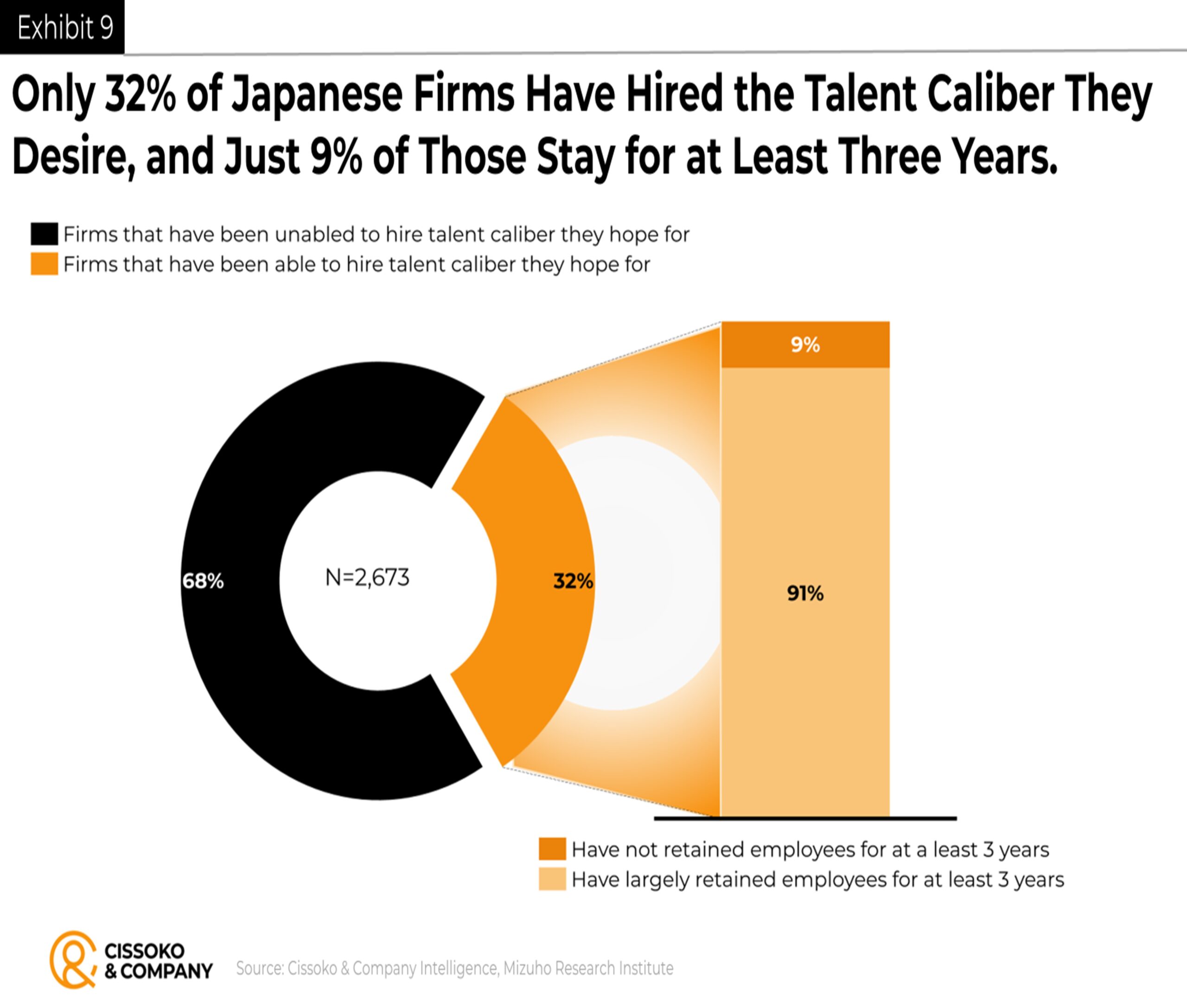
The combination of these challenges highlights the crucial role of employee retention when building a high-performance culture in this age of AI. Consider this: only 32% of Japanese firms have hired the talent caliber they desire, and among those whom they recruit, just 9% stay at the firms for at least three years.
Mental Health, Long Working Hours, and Suicide
To meet the demands of their workplace while showing loyalty to their employers, many employees have made the ultimate sacrifice of their health, which has resulted in serious mental health issues and, in some cases, deaths, known in Japanese as “karoshi,” that is, death from overwork.
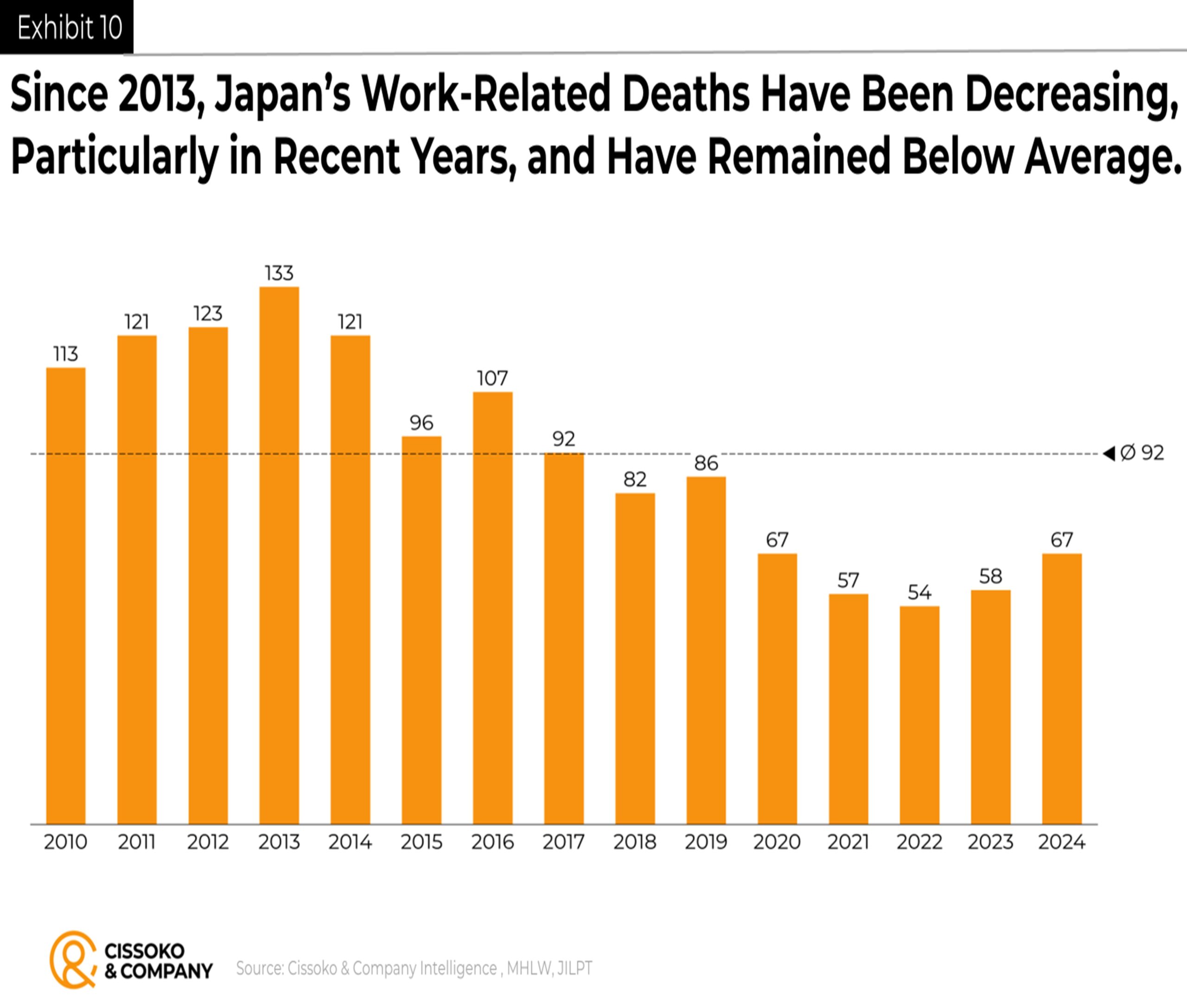
Indeed, the number of work-related suicides has remained stubbornly high over the past 15 years through 2024, with a yearly average of 81 deaths of employees.
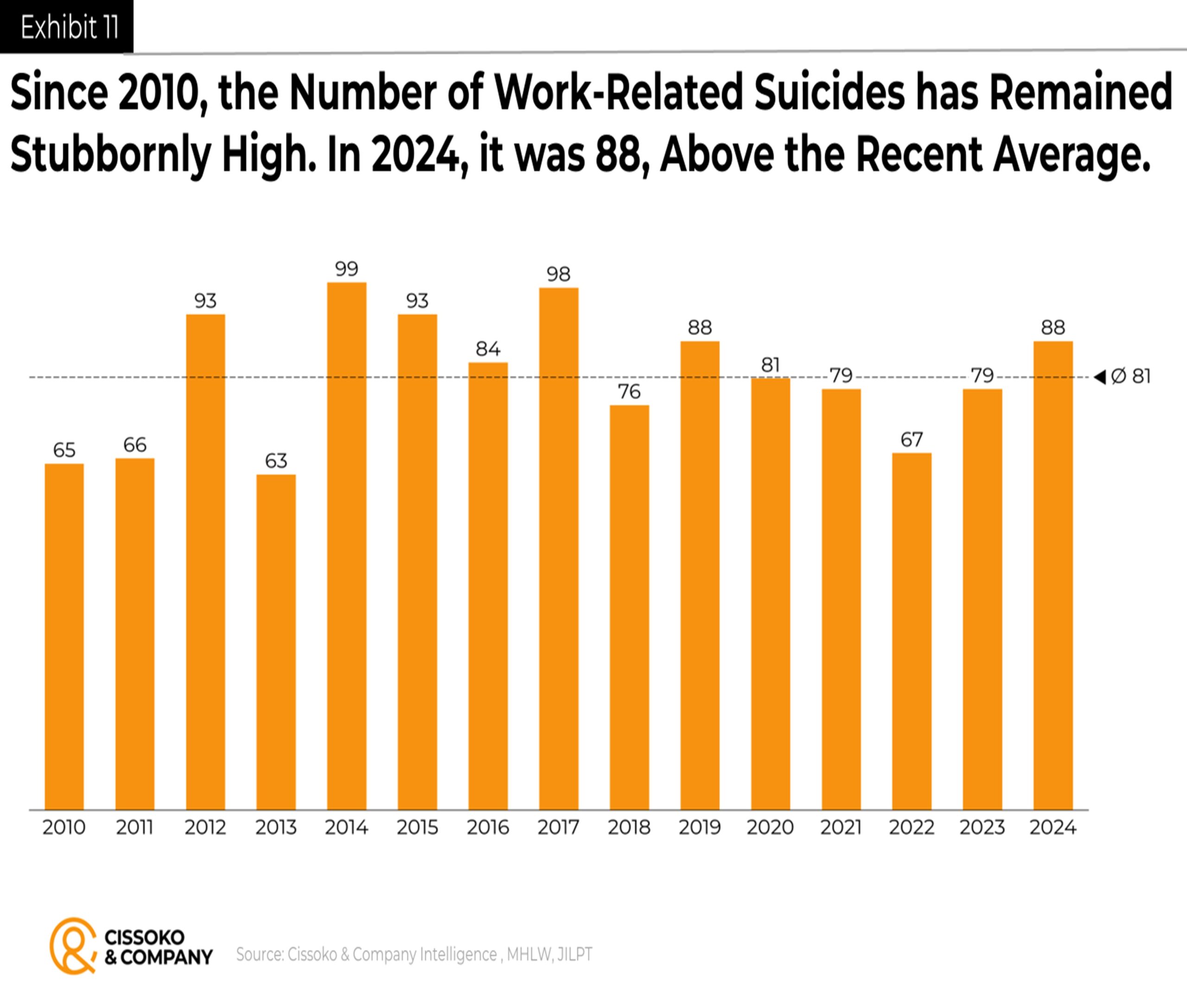
However, deaths from overwork, known as “karoshi,” have decreased by 40%, from 113 in 2010 to 67 in 2024. A further analysis comparing fatalities associated with overwork and suicides related to mental health disclosed concerning trends. Between 2010 and 2019, the incidence of overwork-related deaths (karoshi) remained lower than the number of suicides attributable to mental health issues.
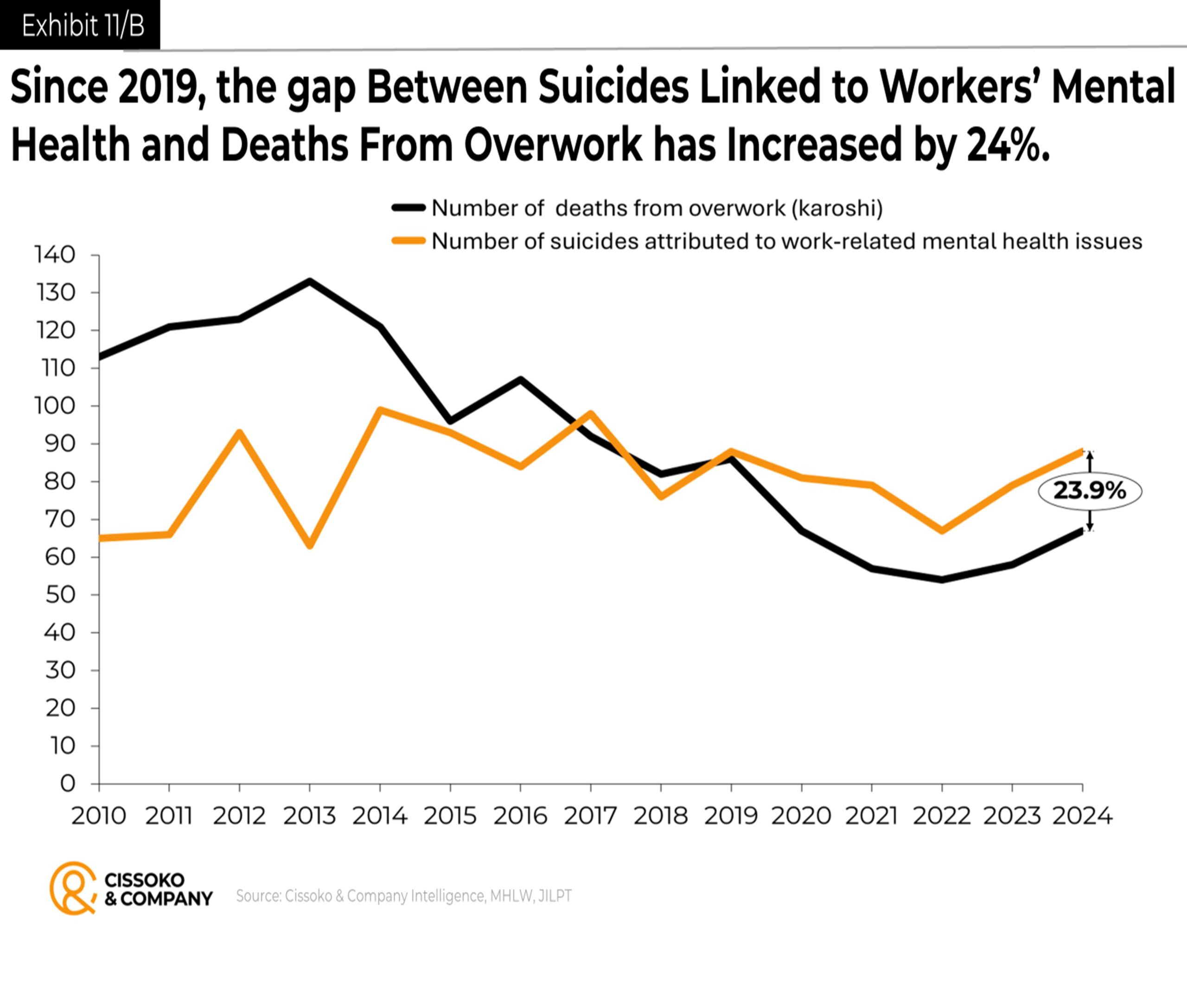
Nevertheless, since 2019, the gap between the number of suicides linked to employees’ mental health and the fatalities associated with overwork (called karoshi) has widened by 24%. Consequently, this situation necessitates serious consideration by business leaders of working conditions and work-related stress arising from unhealthy corporate environments and cultures.
Despite well-intentioned efforts by Japanese authorities to address extremely long working hours in recent years. For example, in 2024, the average percentage of employees working 60 hours across all of Japan’s non-farm industries was 8%.
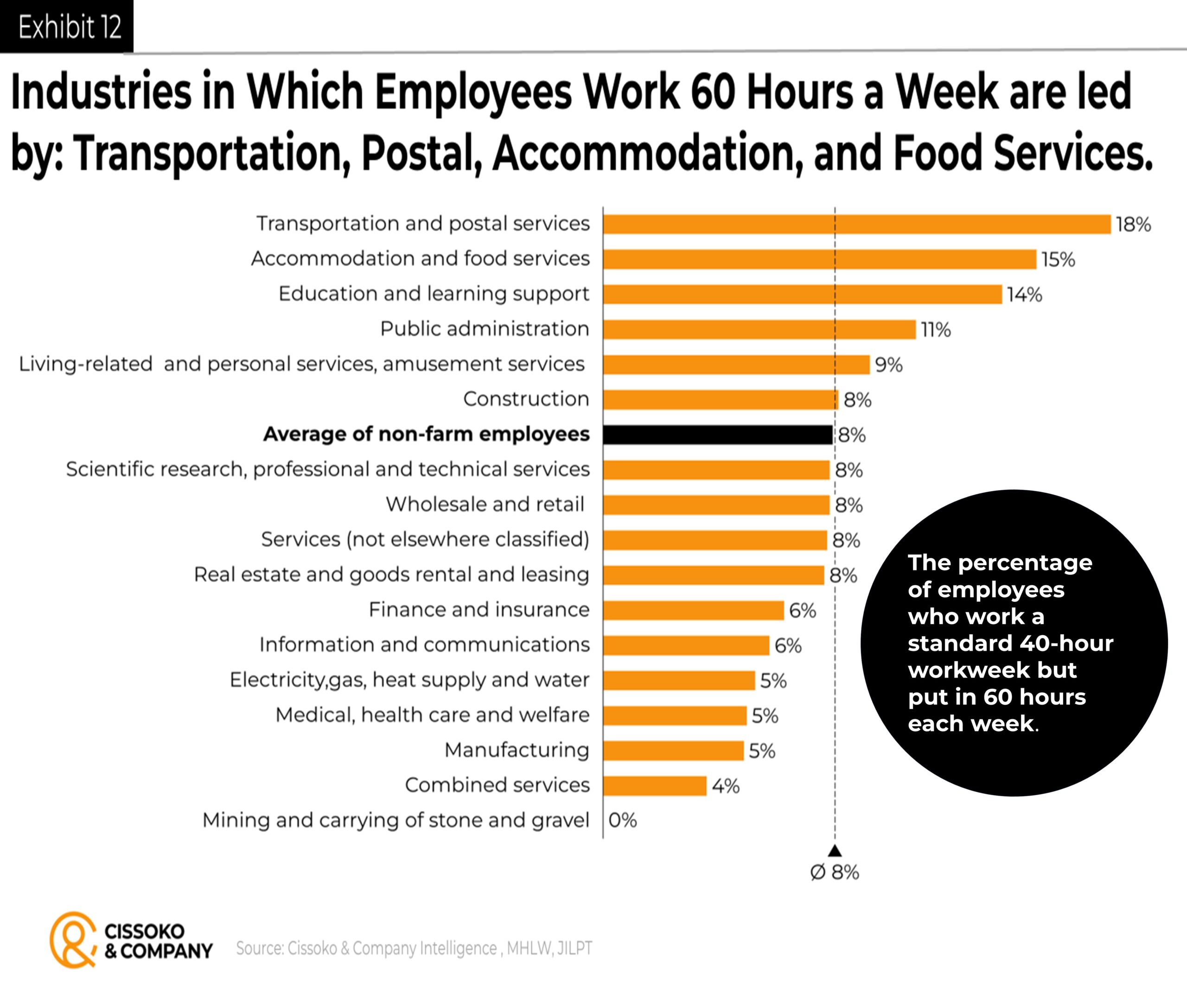
That is 20 more hours than those working 40 hours a week across Japanese industries engaged in non-agricultural activities.
The Growing “Double Duty” and “Double Care” Employees
Among the 61.8 million employees, both regular and irregular, is the growing number who perform the so-called “double duty” and “double care,” working while caring for elderly parents or raising children.
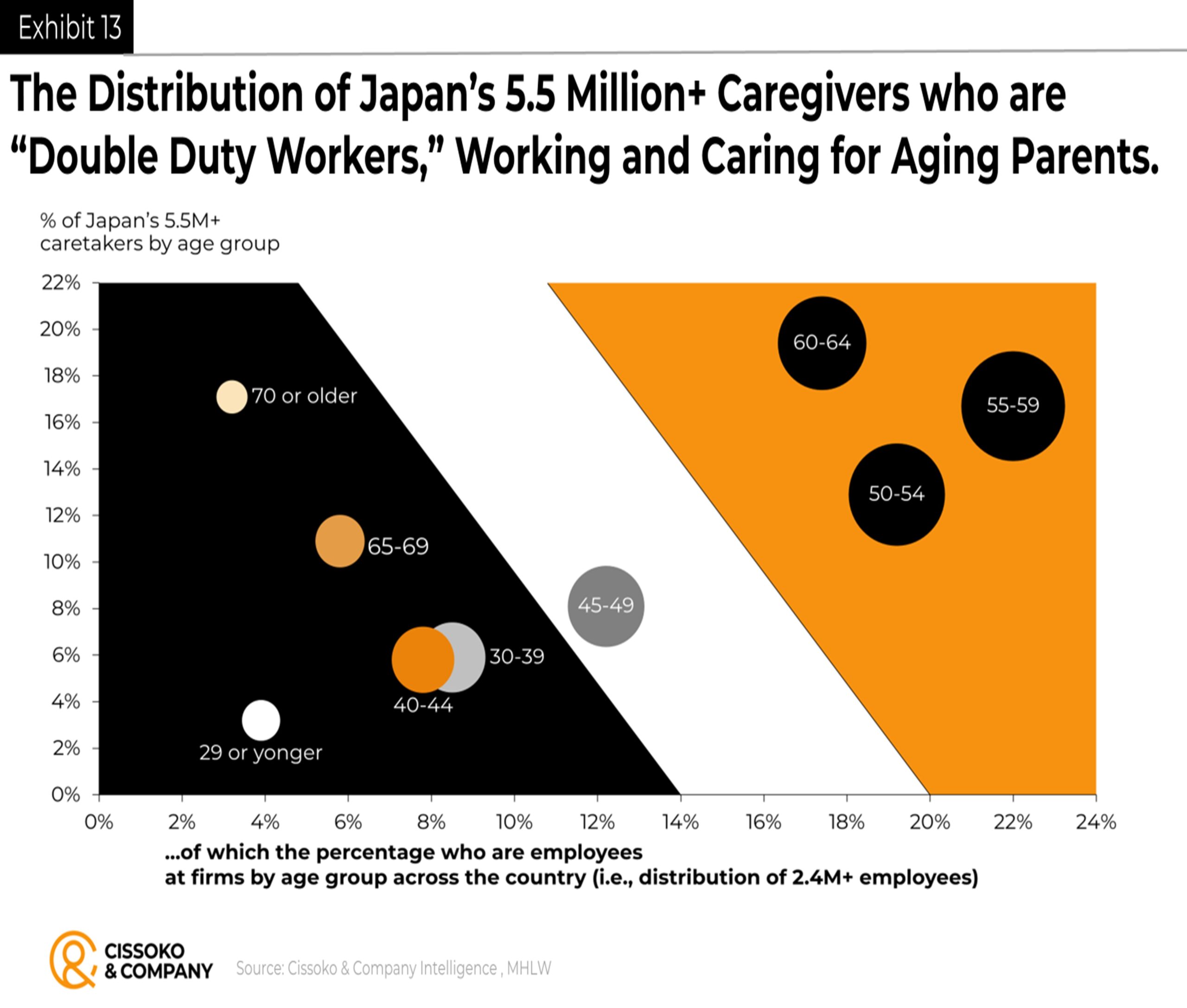
Indeed, those doing the “double duty” totaled 2.4 million 10 years ago, representing 44% of the 5.5 million people doing “double duty” across Japan at the time. Similarly, in 2017, the so-called “double care” exceeded 290,000.
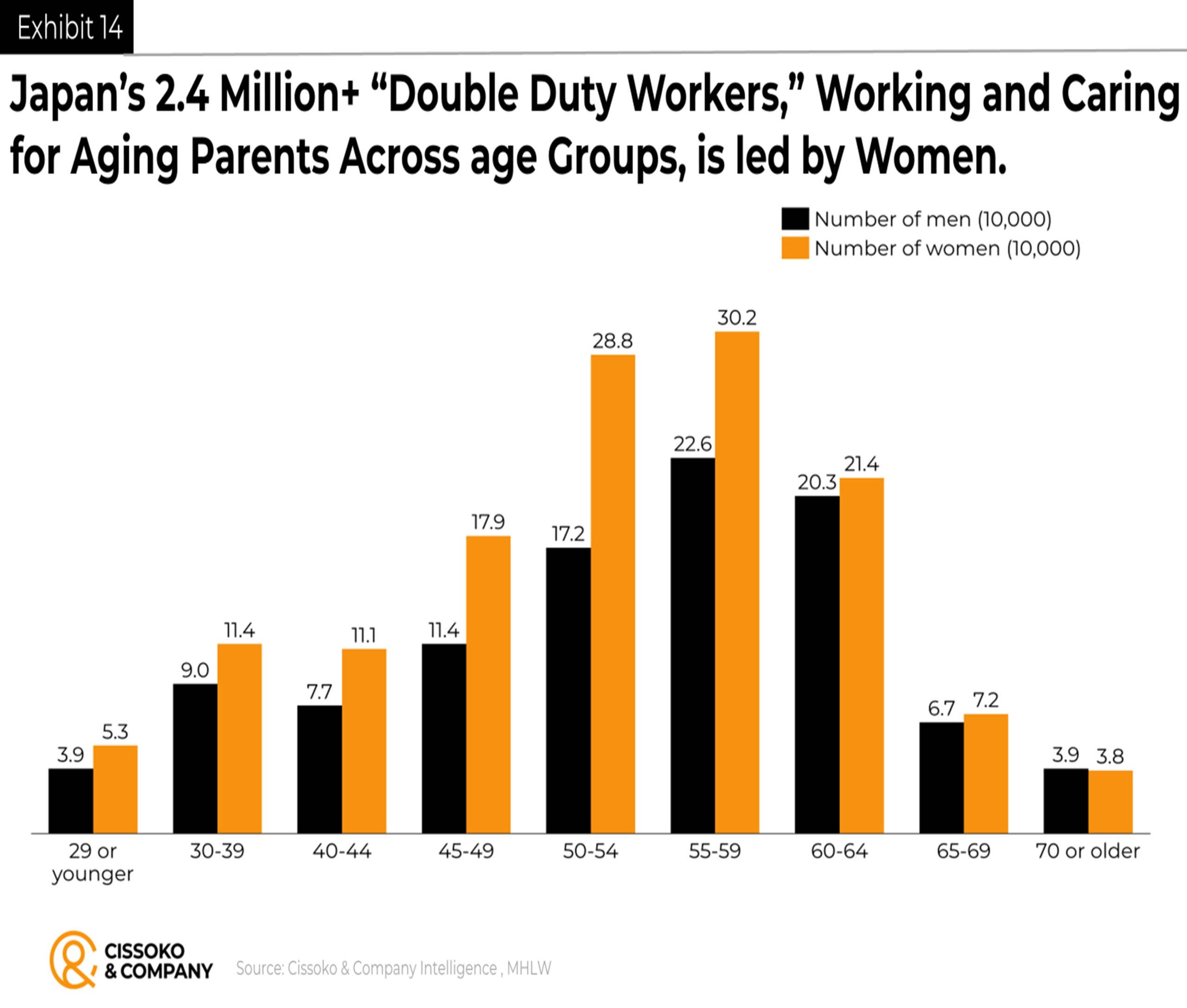
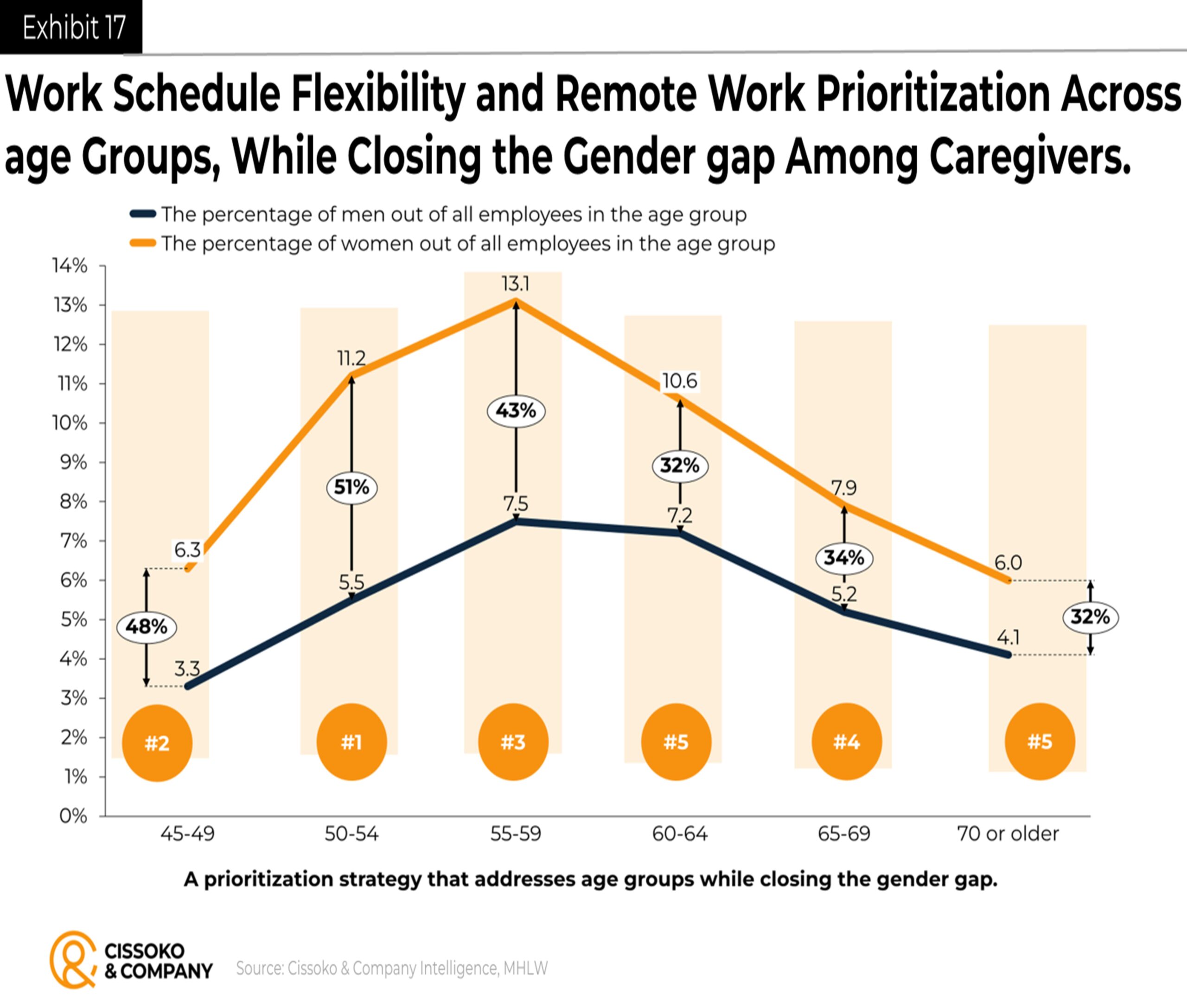
Indeed, across age groups, those aged 45-64 were most burdened by elder care for aging parents. However, women were disproportionately affected across all age groups compared to men.
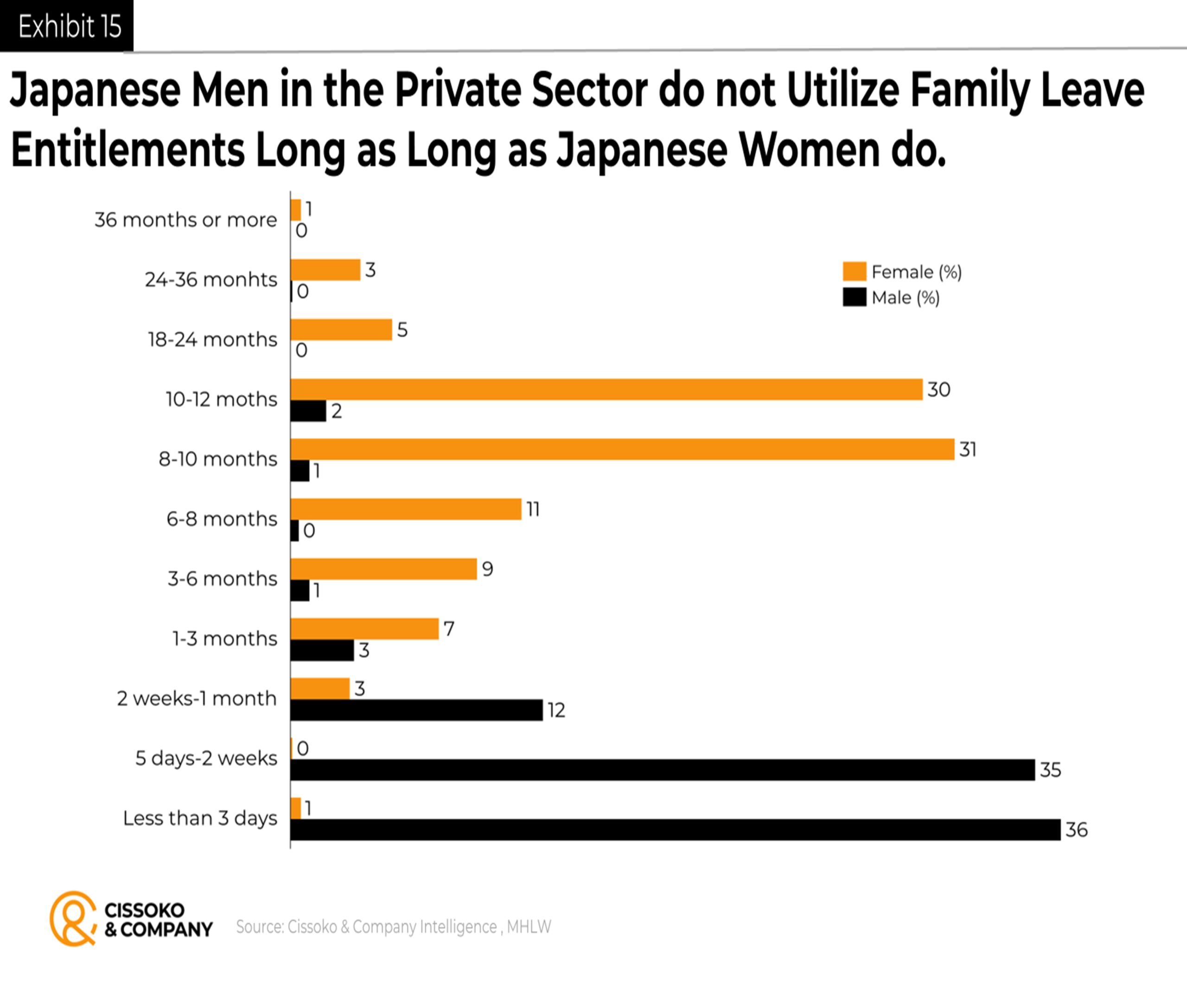
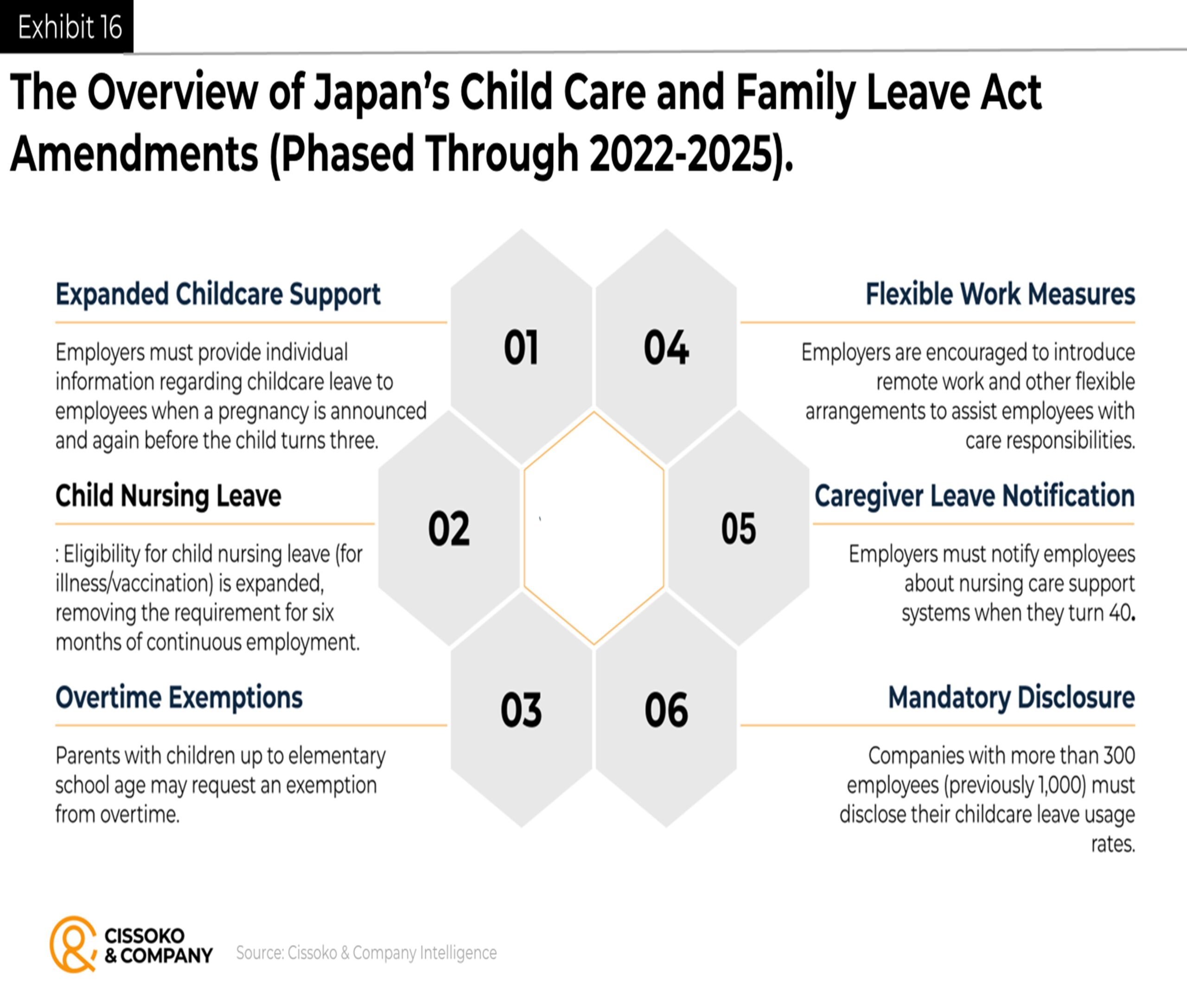
Moreover, unlike women, when men take parental leave, if at all, they do so for a very short time, typically a few days to two weeks. Against the backdrop of the labor workforce issues mentioned above, the Japanese authorities have amended the Child Leave and Parental Leave Act, which took effect in April 2025. As a result, all firms with at least 300 employees must comply with Japan’s new talent management rules.
Strategy for Prioritizing Flexibility Across age Groups
Given that caregiving burdens are unevenly distributed across all age groups, business leaders need to craft a strategy that addresses the issue while closing the gender gap.
As such, our analysis indicates that working hours and remote work flexibility should be provided in this order across age groups: 50-54, 45-49, and 55-59 should be the top priority, given the gender burden gap.
Again, while all age groups are important, overall, given women’s disproportionate burdens as caregivers, an intervention strategy that prioritizes this gap should be non-negotiable to send a caregiving-friendly workplace signal to future job candidates, thereby ultimately enhancing a company’s employer brand as a great place to work.
In conclusion, over the past decade, Japan’s talent landscape has changed dramatically and is increasingly becoming a silent crisis that demands a winning strategy from business leaders competing at the bleeding edge of technology and innovation in Japan and beyond.
Get in Touch
We will respond to your message as soon as possible.
Insights to Win
Subscribe to our newsletter for in-depth analysis, reports, and our perspectives on business and economic issues related to the Japanese market and the global economy.